

Last week, the Nigerian Naira settled at ₦1,364/$1, showing relative stability in the official market.
Meanwhile, the Central Bank of Nigeria actively sold dollars to authorised dealers, preventing rates from returning to January highs.
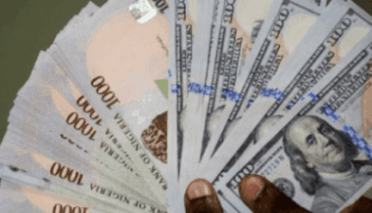
Naira Gains Momentum
As a result, traders expect the Naira to trade between ₦1,350 and ₦1,420 per dollar this week.
Over seven days, the currency gained roughly 2%, rebounding from earlier ₦1,390/$1 levels.
However, black-market rates remained high, around ₦1,440/$1 for buying and ₦1,450–1,460/$1 for selling last week.
Moreover, the Naira strengthened 4.24% in a month and about 9.15% over the past year.
Consequently, record lows near ₦1,717/$1 in late 2024 are now far behind the currency.
Policy And Production Support
Furthermore, high interest rates absorb excess liquidity, making speculation costlier and supporting exchange rate stability.
In addition, the Dangote Refinery now produces nearly 700,000 barrels daily, reducing Nigeria’s dollar demand for fuel imports.
Read Also: Dollar Rises To Two-Week Peak As Global Risk Fears Pressure Naira
Therefore, the official NAFEM window remains crucial; insufficient CBN dollars could widen parallel market spreads.
Likewise, minor depreciation may occur toward the weekend as companies settle weekly forex obligations.
Overall, early 2026 shows the Naira strong, helped by policy adjustments, external inflows, and domestic production gains.
Global Factors And Outlook
Meanwhile, the US Dollar Index (DXY) fell to 97.50, weakening against major currencies amid global caution.
Also, January jobs data expects 70,000 Nonfarm Payrolls, with unemployment steady at 4.4%.
Additionally, the Michigan Consumer Sentiment Index rose to 57.3, exceeding forecasts and boosting US market confidence temporarily.
Most traders anticipate the Fed will hold rates in March, with possible cuts in June.
Treasury Secretary Bessent reaffirmed that the US maintains a strong dollar policy, despite conflicting Trump remarks.
He explained that trade, deregulation, taxes, energy, and minerals create a stronger dollar environment.
Finally, market participants watch the Naira carefully, balancing domestic gains with global economic uncertainty.
Thus, the Naira enters 2026 cautiously strong, though both domestic and international developments could shift trends.