

Zambia’s central bank actively cut its benchmark interest rate to 13.25% from 13.5%, as inflation continues to ease.
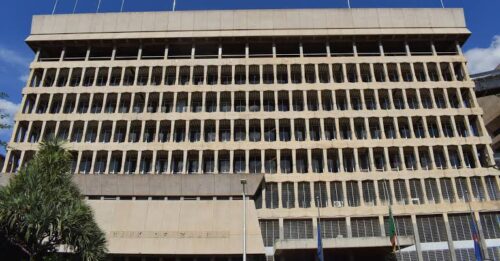
Zambia Monetary Policy Decision
On Wednesday in Lusaka, the Bank of Zambia announced the decision after its Monetary Policy Committee meeting.
This marks the third consecutive cut, and policymakers continue to see improving domestic economic conditions.
Governor Denny Kalyalya explained that the committee considered inflation trends, exchange rate stability, and the agriculture outlook.
They also factored in expectations of a strong corn harvest, which supported the decision to reduce borrowing costs.
However, the central bank remains cautious because global risks persist due to the Middle East conflict.
In addition, the conflict has disrupted commodity markets and driven up global prices for fuel, food, and fertiliser.
Inflation Outlook
Meanwhile, inflation has stayed within the 6% to 8% target range since February this year.
Furthermore, the bank expects inflation to average 6.8% in 2026, slightly below earlier forecasts.
Read Also: Fidelity Bank FY 2025 Gross Earnings Surge 45.6%
At the same time, Zambia’s foreign exchange reserves rose to $6.2bn in March from $5.5bn previously.
As a result, reserves now cover about 5.2 months of imports and strengthen external stability.
Moreover, the government suspended fuel taxes and removed VAT on fuel to reduce domestic price pressures.
External Risks And Support Measures
Separately, authorities are negotiating with the IMF and World Bank to secure additional financial support.
They expect to finalise a new IMF programme after Zambia’s national elections in August.
In contrast, many global economies still maintain tight monetary policy due to inflation concerns.
However, Zambia joins countries like Russia, Guinea, and DR Congo in actively cutting interest rates.
Earlier, the central bank reduced rates to 13.5% in February from 14.25%, continuing its easing cycle.