
Solar Energy has become a lifeline for many Nigerians, offering a solution to frequent power outages.
In Lagos, Daniel recalls evenings when the lights went out and his fridge stopped working.
“I couldn’t rely on the grid anymore,” he says.
So, he decided to invest in solar, and it transformed his household life.
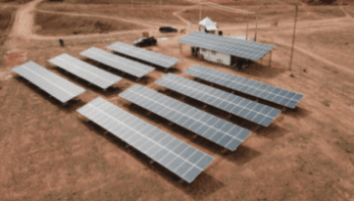
Similarly, thousands of households and businesses are now turning to solar energy as a dependable electricity source.
By capturing sunlight, solar panels convert it directly into power, helping people reduce reliance on noisy generators and expensive diesel fuel.
Across Africa, 2025 marked a significant growth year for solar energy.
South Africa and Nigeria led the continent, installing gigawatts of new capacity.
Moreover, distributed systems such as rooftop panels now account for nearly half of all new installations.
For many people, solar energy provides freedom from unreliable grids and a step toward energy independence.
Solar For Every Home
Small systems (1–3kW) cost ₦800,000–₦2.5 million and power lights, fans, TVs, and phones.
Medium systems (3.5–5kW) cost ₦2.5–₦8 million, supporting fridges, ACs, and water pumps.
Read Also: NERC Flags Grid Strain: Frequency Breaches, 36% Capacity
Large systems (10kW+) for bigger homes or businesses cost ₦10–₦50 million or more.
Daniel’s ₦850,000 system now powers almost everything except his fridge and outdoor security lights.
“Even my water pump runs on solar,” he explains.
Choosing The Right System
System cost depends on roof design, inverter type, battery technology, and system size.
Lithium batteries deliver high efficiency, but tubular and dry cell batteries remain reliable.
Solar expert Wale Kassim advises people to weigh space, budget, and energy needs carefully before selecting a system.
A Sunlit Future
Solar energy has become a national priority.
Recently, the World Bank approved $50 million to expand solar-powered agriculture across six African countries.
The funds will support cold storage, water pumps, and grain mills, boosting productivity, reducing losses, and increasing access to clean energy.
For Daniel and millions of Nigerians, solar energy provides independence, reliability, and hope for a brighter, sustainable future.