
The U.S. dollar rose to a two-week high on Friday, marking its strongest week since November.
Meanwhile, investors worried about a global equity sell-off rushed to safety in the greenback.
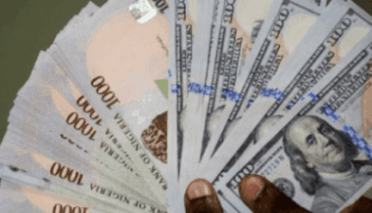
As a result, emerging-market currencies, including Nigeria’s naira, faced growing pressure from the rising dollar.
Dollar Strength Surges
In Nigeria, traders pushed the official naira market lower due to persistent demand and caution.
However, the parallel market offered slight relief, trading at ₦1,441.11/$, up from Wednesday’s ₦1,453.13/$.
Consequently, the gap between official and parallel rates narrowed to ₦73.11 from ₦94.
Safe-Haven Appeal
Global uncertainty and U.S. monetary policy expectations strengthened the greenback’s safe-haven appeal.
Although U.S. Treasury yields fell, investors kept the dollar strong, prioritising safety over risk.
Furthermore, Kevin Warsh’s nomination as Fed Chair reassured markets, easing fears of aggressive rate cuts.
Now, investors anticipate the January payrolls report for signals on U.S. economic health.
Read Also: Customs Seize ₦3.3Bn Contraband In Lagos
In addition, movements in technology stocks and geopolitical risks continue shaping emerging-market currency sentiment.
Despite small parallel-market gains, traders still face broader pressures on the naira.
Naira Under Pressure
A sustained dollar rise could further strain emerging-market currencies, including Nigeria’s naira.
Moreover, market participants closely watch global developments and upcoming U.S. policy decisions.
Demand pressures, cautious sentiment, and external headwinds actively influence naira performance every day.
Although the parallel market improved slightly, traders experience only temporary relief.
Global dollar strength reflects widespread risk aversion and investors’ uncertainty in financial markets.
Consequently, emerging economies remain vulnerable as investors favour safe-haven assets over riskier currencies.
The greenback’s rally highlights ongoing volatility and illustrates the challenges developing-market economies face.
Therefore, Nigerian traders monitor global cues while managing persistent pressure in the FX market.