

Nigeria’s EV journey is picking up speed, but the road ahead remains challenging.
Recently, the Senate advanced the Electric Vehicle Transition and Green Mobility Bill by passing its second reading on November 5, 2025, signalling a major push toward cleaner transport.
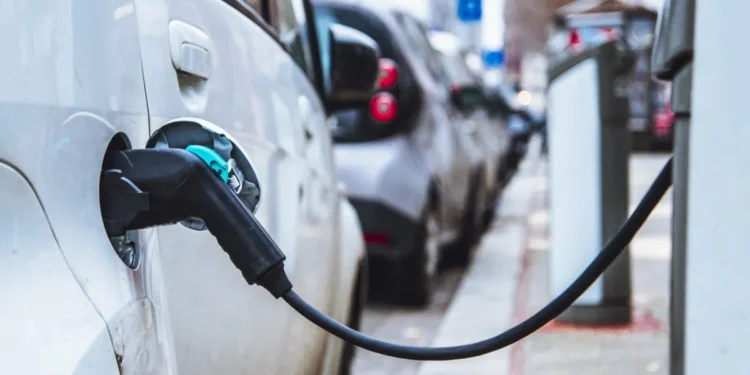
Nigeria’s EV Push Accelerates
Under the bill, foreign automakers must partner with local firms, establish assembly plants within three years, and source at least 30% of components locally by 2030.
Moreover, the government will impose heavy fines and suspend operations for companies that ignore these requirements.
Rules And Requirements
At the same time, local producers must secure licences and produce at least 5,000 electric vehicles annually to comply.
Opportunities And Challenges
Supporters argue that the legislation could reduce Nigeria’s reliance on imported petrol and cut long-term costs for drivers.
Read Also: Lagos Bond 55% Oversubscribed, Raises ₦310B
Automotive expert Tope Famakin stresses that EVs will improve transport efficiency, while engineer Beatrice Elujoba highlights potential savings in fuel imports, pushing Nigeria toward a more sustainable future.
Additionally, energy analysts point out that the bill advances the country’s 2060 net-zero emissions target and promotes technology transfer through local partnerships.
However, critics warn that Nigeria lacks enough certified EV technicians, faces unreliable electricity supply, and suffers from limited charging infrastructure.
High vehicle costs could restrict access to wealthier Nigerians unless the government introduces subsidies and financing options.
Therefore, experts recommend phased implementation, increased investment in infrastructure, and public awareness campaigns.
Nigeria stands at a crossroads: the bill could modernise transport and spark a green mobility revolution—or falter against practical realities.