
Nigerian state health preparedness stands at a perilous low, leaving millions exposed to crises they cannot withstand.
The 2025 SBM Health Preparedness Index reveals a stark reality: across all 36 states, no region scored above 30%.
Nigerian State Health Preparedness At Risk
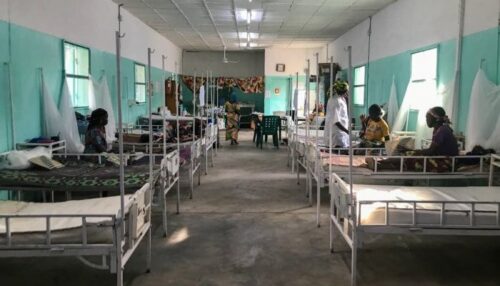
Hospitals struggle to cope, doctors stretch themselves thin, and patients wait too long for care, often suffering preventable illnesses and deaths.
Regional Disparities And Doctor Shortages
Moreover, northern states like Kebbi and Katsina face the harshest challenges, where a single doctor serves tens of thousands of people.
Meanwhile, in the south, Ebonyi battles low funding and a doctor-to-patient ratio of 1:21,202, exposing deep inequalities even within better-resourced regions.
Performance And Policy Gaps
Nevertheless, some states show relative strength.
Read Also: NIS To Roll Out Biometric Emergency Passport For Nigerians Abroad
Abia tops the index with 26.85%, benefiting from higher per capita health spending and a stronger Human Development Index.
Following closely, Ogun and Lagos perform better, yet even they struggle to meet rising demand.
The report also identifies the ongoing exodus of health professionals — the Japa Syndrome — as a major cause of this crisis.
Poor pay, insecure working conditions, and underfunded facilities drive doctors, nurses, and lab scientists abroad, further weakening the system.
Nationwide, doctors care for an average of 1:15,361 patients, far below the World Health Organization’s recommended 1:1,000.
In Bauchi, one doctor serves 54,000 people, while in Kebbi and Zamfara, doctors care for over 43,000 patients each.
Consequently, hospitals overwhelm, diagnoses delay, and lives are lost unnecessarily.
In addition, health funding varies sharply across states.
Some northern states allocate over 15% of their budgets to healthcare, whereas Imo spends just 3.5%.
Experts warn that unless the government implements urgent reforms — competitive salaries, improved infrastructure, and stronger support — millions of Nigerians could lose access to essential care, risking the collapse of secondary and tertiary healthcare nationwide.