
Nigeria’s business community now faces a new set of rules.
The Federal Government has gazetted sweeping tax laws, directly reshaping how companies pay taxes, how revenue agencies collect them, and who gains reliefs.

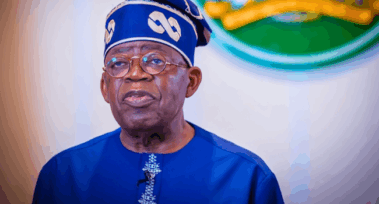
President Bola Tinubu signed the reforms into law in June, and the publication in the national gazette has now cemented them.
With that step, the changes officially take effect, pushing businesses and regulators to prepare.
Winners And Losers
The overhaul creates both winners and losers.
On one hand, small firms earning under ₦100 million annually and holding assets below ₦250 million will escape corporate tax entirely.
On the other hand, larger corporations must adjust to fresh obligations, even though the government has cut their corporate tax rate from 30% to 25%.
Four new acts drive this transformation:
- Nigeria Tax Act (NTA), 2025
- Nigeria Tax Administration Act (NTAA), 2025
- Nigeria Revenue Service (Establishment) Act (NRSEA), 2025
- Joint Revenue Board (Establishment) Act (JRBEA), 2025
- Tougher Rules, New Incentives
At the same time, the reforms tighten the net around big players.
Local firms crossing ₦50 billion in turnover and multinationals earning above €750 million must now pay top-up taxes.
Read Also: CBN Hails Banks As Diaspora Reserves Set To Hit $1Bn By 2026
Yet the government has paired these stricter rules with incentives.
For example, it offers a 5% annual tax credit to firms that invest in priority projects, especially in agriculture.
It also allows companies that transact in foreign currency to settle their taxes in naira, but strictly at official rates.
Meanwhile, the timeline forces businesses to adjust quickly.
The NRSEA and JRBEA will begin in June 2025, while the NTA and NTAA will take effect from January 2026.
Government officials argue that these reforms simplify the tax system, attract investment, and stabilise public finances.
However, businesses must now weigh the promised incentives against compliance costs, enforcement risks, and the pressure of transition.
In short, Nigeria’s fiscal landscape is shifting in real time.
The question is no longer whether the reforms will come, but whether they can build confidence—or trigger caution.