

Nigeria awoke on Monday to the threat of a nationwide fuel crisis as the Petroleum and Natural Gas Workers’ Union (NUPENG) pressed ahead with a strike and openly defied government appeals for calm.
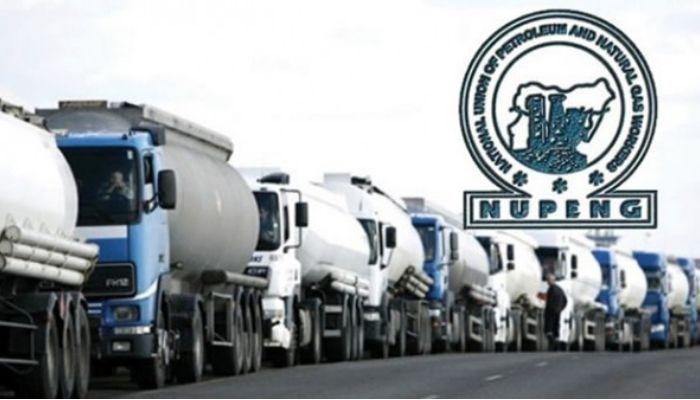
The dispute arises from the Dangote Petroleum Refinery’s decision to import thousands of compressed natural gas-powered trucks for direct fuel distribution.
While the refinery hails the move as a step towards efficiency, NUPENG condemns it as a direct attack on jobs and union rights.
Government Scrambles For Peace
Meanwhile, union leaders accuse the refinery of barring new drivers from joining any trade union.
They insist this decision violates Nigeria’s Constitution and international conventions.
In addition, tensions deepened when reports emerged that MRS Oil, owned by Dangote’s cousin, began hiring drivers under the same conditions.
In response, the government scrambled to avert the shutdown.
Labour Minister Muhammad Dingyadi warned that even a one-day strike in the petroleum sector could cripple the economy and cause “untold hardship” for citizens.
Consequently, he summoned union leaders and refinery representatives to an emergency meeting in Abuja, urging them to find common ground.
Workers’ Rights Vs Public Hardship
However, NUPENG president Williams Akporeha dismissed the appeals.
He declared that “nothing concrete has come from government efforts” and confirmed that tanker drivers would stop fuel loading nationwide.
Read Also: Cross River, Afreximbank Ink $2bn Deals To Spur Regional Growth
At the same time, fuel marketers announced they would close filling stations once operations halted.
Furthermore, the Nigeria Labour Congress pledged full solidarity with NUPENG, while human rights lawyer Femi Falana accused the Dangote Group of anti-labour practices, warning that Nigeria “cannot permit modern-day slavery.”
On the other hand, civil society groups urged restraint.
They cautioned that ordinary Nigerians would suffer most through soaring prices, transport chaos, and business shutdowns.
As a result, Nigeria now faces a direct clash of rights, power, and livelihoods—with millions caught in the middle.