
The naira opened the week weaker, even as global sentiment improved.
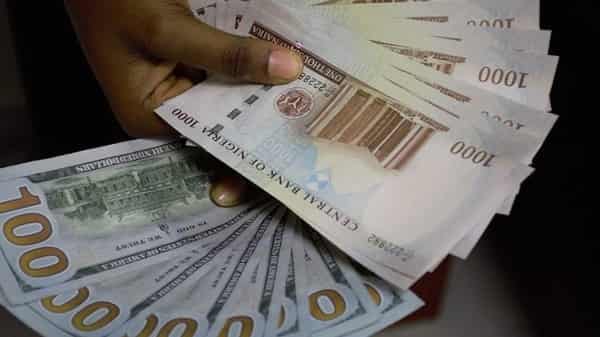
On Monday, it fell to ₦1,349.67/$ from ₦1,342.5/$ on Friday.
Naira Slips Despite Global Optimism
The Central Bank of Nigeria reported the decline, while traders exchanged the currency between ₦1,341 and ₦1,353.
Dollar Weakens On Iran Talks
Meanwhile, the global mood shifted.
Hopes of renewed talks between the United States and Iran lifted investor confidence.
As a result, investors reduced demand for the dollar.
Consequently, the dollar index dropped by 0.39% to 98.07, extending its losses this month.
At the same time, the euro and British pound gained slightly.
Geopolitics continues to drive the shift.
Iran is considering fresh negotiations, possibly in Pakistan, and this has raised hopes of easing tensions.
However, risks remain after the United States seized an Iranian cargo vessel.
Notably, the conflict has now stretched into its eighth week.
As tensions persist, oil prices rose by over 5% due to supply fears.
In particular, the Strait of Hormuz remains critical to global energy flows.
Read Also: British Pound Holds At ₦1,825/£1 As Naira Regains Strength
Reserves Decline Adds Pressure
Back home, local factors continue to weigh on the naira.
Nigeria’s external reserves have declined steadily in recent weeks, adding pressure to the market.
As of April 17, 2026, reserves stood at $48.6 billion.
Overall, this marks a $1.38 billion drop over five weeks.
Earlier in April, reserves stood above $49 billion, but they have fallen gradually since then.
This trend suggests that authorities continue interventions or that capital outflows persist.
Still, the central bank maintains a calm stance.
Governor Olayemi Cardoso said the decline should not cause concern in current conditions.
He also stressed that small swings should not trigger market anxiety.
Nevertheless, pressure on the naira remains visible.
Looking ahead, the Central Bank expects reserves to rise to $51 billion by year-end.
LThis target supports broader efforts to stabilise the economy and rebuild investor confidence.
In the end, the picture remains mixed.
While global optimism grows, the naira continues to face pressure at home.