

A fragile ceasefire has eased tensions, but airlines still face ongoing pressure, yet challenges persist.
Ceasefire Offers Limited Relief
The reopening of the Strait of Hormuz brings hope, yet jet fuel supply remains tight.
The International Air Transport Association (IATA) says recovery will take months, however uncertainty remains.
Refining Bottlenecks Slow Recovery
Director-General Willie Walsh explains that the issue goes beyond shipping routes and affects refining capacity.
Tankers can move quickly, but refineries take far longer to restart and stabilise output, so delays continue.
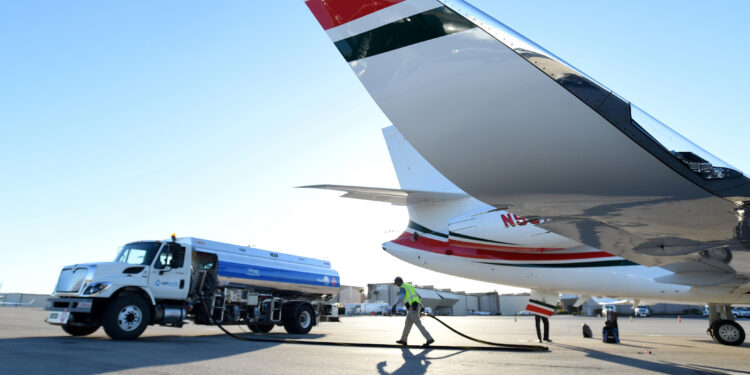
Jet fuel availability will stay constrained, even as crude oil prices begin to fall, therefore pressures remain.
Airlines across Asia are adjusting operations to cope with fuel shortages and rising costs.
They reduce flights, carry extra fuel, and add refuelling stops where needed to manage risks.
Global And Local Jet Fuel Price Pressures
Willie Walsh compares the situation to major shocks like September 11 and the Global Financial Crisis.
He says the current disruption moves slower than COVID-19, yet it still significantly impacts airlines.
Read Also: Dangote Refinery Steps Up Exports To Ease Africa Supply Crunch
Meanwhile, the Middle East remains central, with the Strait of Hormuz handling global energy flows.
The ceasefire between the United States and Iran reduces fears of further escalation, although risks remain.
The agreement includes plans to reopen the Strait under controlled and monitored conditions.
The United Nations warns about risks to infrastructure and global energy stability, so concerns persist.
Political calm does not immediately restore fuel markets, nor does it repair refining systems.
Jet fuel shortages have already affected markets far beyond the Middle East, creating wider impacts.
In Nigeria, prices surged sharply during the crisis, reaching over ₦2,000 per litre.
This rise compares to pre-conflict levels of about ₦950 to ₦1,000 per litre, showing severe inflation.
International benchmarks such as Platts also surged as supply disruptions and scarcity intensified.
The Dangote Refinery supplies most of Nigeria’s jet fuel, yet prices follow global trends.
Higher fuel costs pressure airlines, and they may eventually push up fares for passengers.
Crude oil prices have started to ease following the ceasefire agreement, offering some relief.
However, jet fuel prices are likely to remain high until supply chains recover fully.
Countries such as India and Nigeria may increase output to ease supply pressure, so conditions may improve.
Refineries worldwide could raise production as margins improve and crude flows stabilise.
Even so, recovery will take time before global jet fuel supply returns to normal levels.