

A quiet shift is unfolding across Nigeria’s egg market, and it is affecting farms and households alike.
Prices have risen sharply, and traders now sell crates for as high as ₦8,500 in some outlets nationwide.
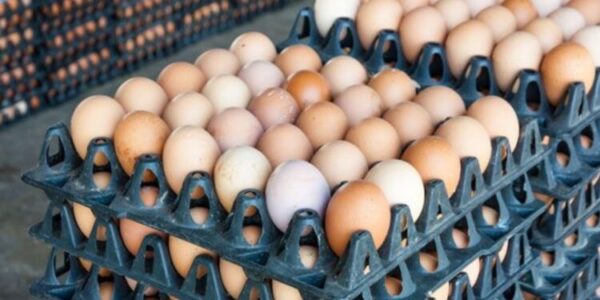
Egg Prices Surge Across The Market
This change began at the production level, where farmers struggle to secure day-old chicks for rearing.
Without a steady chick supply, farmers cannot maintain or expand their poultry flocks effectively.
At the farm gate, prices have climbed from ₦5,000 in January 2026 to about ₦5,500 today.
Then, as eggs reach markets, additional costs push retail prices even higher for consumers.
Smaller retailers now sell crates between ₦6,000 and ₦6,500, depending on size and demand levels.
Meanwhile, supermarkets and large stores set prices between ₦7,000 and ₦8,500 to cover operating expenses.
Supply Shortage And Production Delays
However, supply remains tight because hatcheries are fully booked and cannot meet growing demand.
The Poultry Association of Nigeria says farmers face long waiting times for chick allocations.
Read Also: NNPC Eyes 600 Tcf Gas Reserves, $60Bn Investment Push
In many cases, waiting periods stretch up to six months, and this delay limits supply growth.
Even after farmers receive chicks, they must wait months before the birds begin laying eggs.
As a result, this delay creates gaps in supply and makes it difficult for markets to stabilise prices.
In addition, the cost of day-old chicks has increased significantly, rising from ₦1,800 to ₦3,300.
Consequently, higher input costs reduce farmers’ profits and discourage them from expanding production.
Stakeholders also point to limited import licences for breeding stock, which worsen the supply shortage.
Because of this restriction, hatcheries cannot produce enough chicks to meet rising demand.
Therefore, industry players call on policymakers to allow more imports and improve availability.
Rising Costs And Policy Pressure
At the same time, transport costs have risen, largely because fuel prices have increased across the country.
These added expenses push up the final price consumers pay for eggs in the market.
As a result, consumers now feel the impact, and eggs become less affordable in daily diets.
Some households reduce consumption, while others switch to alternative protein sources.
Meanwhile, prices continue to rise steadily since the beginning of the year, with no clear relief.
Consequently, many buyers remain uncertain about when prices will stabilise.
In addition, a proposed $900 million partnership aims to boost poultry production significantly.
The plan targets production of up to six million eggs daily to strengthen supply.
However, poultry stakeholders remain cautious and question its long-term impact on local producers.
They argue that policymakers must resolve structural issues before large-scale interventions can succeed.
Ultimately, Nigeria’s egg market continues to adjust as supply challenges and rising costs persist.