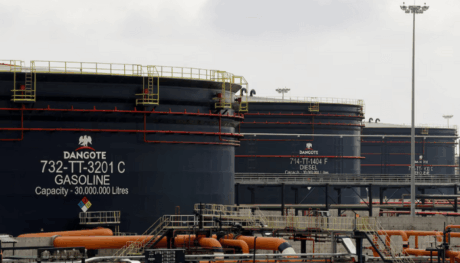

Nigeria is accelerating a $20 billion gas pipeline project to supply Europe with natural gas.
The proposed pipeline will transport up to 30 billion cubic metres annually through Africa to Italy.
It will start from Nigeria’s southern gas fields, pass through Chad and Libya, then run undersea.
Nigeria Targets Europe In Gas Pipeline Deal
Officials describe it as a “transformative gas corridor,” which could redefine Africa’s energy role globally.
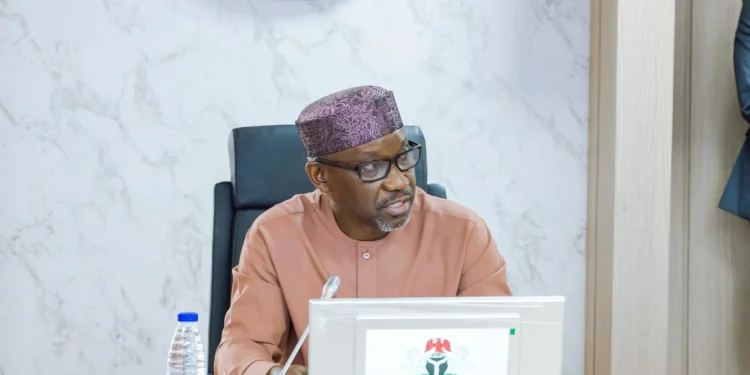
Moreover, Minister Ekperikpe Ekpo called the London discussions both “historic” and strategically timely for Nigeria.
He emphasised that the country can attract investors and leverage natural resources for regional development.
“The Petroleum Industry Act and presidential directives create a strong climate for gas sector investment,” he said.
Investor Readiness
In addition, NNPC’s EVP Olalekan Ogunleye confirmed that the company aligns with government policies and welcomes global investors.
“Our Gas Master Plan and presidential initiatives create opportunities and remove obstacles efficiently,” he added confidently.
Furthermore, CEO of Netoil Inc., Roger Tamraz, highlighted the project as commercially viable and strategically critical for Europe.
Read Also: Yield Slide Triggers ₦720Bn Contraction In FMDQ Debt Market
Similarly, consortium partners emphasised wider benefits including reduced gas flaring, job creation, and long-term economic growth.
Project Director Henry Erimodafe called it a “strategic win-win” benefiting investors and local communities alike.
Although the pipeline remains in early development, the consortium will conduct rigorous technical, commercial, and regulatory reviews.
Stakeholders expressed optimism because the project could strengthen Nigeria’s global energy position and Europe–Africa ties.
Global Impact
Meanwhile, global oil supply tensions, worsened by the Middle East conflict, make Nigeria’s role increasingly important.
Moreover, Minister Mohammed Idris confirmed that Nigeria will supply oil to stabilise markets amid current shortages.
Experts argue that the project positions Nigeria as a reliable partner and emerging leader in global energy.
Additionally, the pipeline can generate billions in revenue while transforming communities and boosting long-term economic development.
With proper investment and political support, Nigeria can soon become a major sustainable supplier to Europe.