
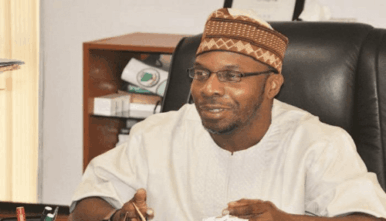
Nigeria’s fight against inflation may finally show signs of hope, according to Afreximbank’s Chief Economist, Yemi Kale.
He said continued reforms could reduce inflation to around 14% by the end of 2026.
Hope For Inflation Relief
Recent statistics support this optimism, with the National Bureau of Statistics reporting inflation fell to 20.12% in August.
This decline came from 21.88% in July, yet Kale warned households will still face financial difficulties for some time.
Central Bank Action
He traced the struggle back over the last decade, when monetary policy often swung between tightening and loosening growth efforts.
Large fiscal interventions frequently undermined these policies, preventing consistent economic progress and frustrating efforts to control inflation effectively.
However, the Central Bank of Nigeria now acts decisively, raising the Monetary Policy Rate to 27.5%.
It also uses open-market operations to control liquidity and provides regular policy reports, guidance, and transparent explanations of inflation trends.
Read Also: PENGASSAN Strike: Gas Scarcity Pushes Price To ₦1,800/kg
Protecting Households
These measures already show results, with headline inflation easing from above 25% toward the low 20s.
Food prices remain high but slow down gradually, protecting households and improving predictability for investors planning long-term projects.
Kale emphasised that each percentage point of disinflation protects wages, pensions, savings, and encourages long-term investment confidence across Nigeria.
Finally, he urged reforms must include social protection, warning that half-hearted measures leave citizens exposed to unnecessary economic hardship.
“Reform is like curing a fever,” he said, “short-term discomfort now prevents far worse consequences in the long term.”