

The naira slipped on Monday and closed at ₦1,375/$ in the official market amid fresh global uncertainty.
The Central Bank of Nigeria reported the decline, noting Friday’s rate of ₦1,364/$ as the previous level.
Rising tensions in the Middle East unsettled global investors and strengthened the US dollar.
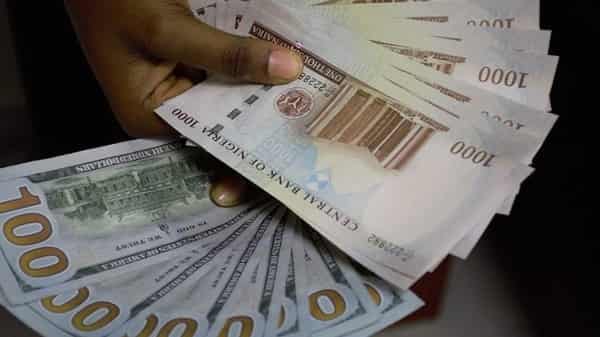
Naira Weakens On Global Pressure
As a result, the stronger dollar pressured emerging market currencies, including the naira.
During trading, the naira moved within a range of ₦1,367/$ to ₦1,375/$.
The market recorded an average rate of ₦1,372.98/$ for the session.
Foreign exchange turnover dropped to $51.17 million across 67 deals.
This was lower than the activity recorded in the previous session.
Oil Prices Rise Amid Supply Fears
Brent crude climbed above $104 per barrel as supply fears increased.
US crude rose close to $98 per barrel amid ongoing geopolitical risks.
Higher oil prices could lift Nigeria’s earnings but may also increase imported inflation.
The US dollar held steady as investors moved into safe-haven assets.
Read Also: Naira Extends Gains Against US Dollar, Nearing Sub-₦1,350/$ Level
The strong dollar reduced relief for weaker currencies like the naira.
Outlook Tied To US Policy And Reserves
The naira had earlier enjoyed stability in April, but that trend weakened in May.
Markets are now watching upcoming US inflation data closely.
If inflation stays high, the US Federal Reserve may delay interest rate cuts.
Delayed cuts would keep the dollar strong and pressure emerging currencies.
Nigeria’s external reserves fell by about $855 million over five weeks.
They dropped from $49.18 billion to $48.33 billion in that period.
The Central Bank of Nigeria still projects reserves could reach $51 billion by 2026.
It expects reforms and investor confidence to support that recovery.