

It is Saturday morning. The market is buzzing with activity. Traders are calling out prices, buyers are moving from one stall to another, and the familiar smell of fresh tomatoes, peppers, onions and crayfish fills the air.
You have almost everything on your shopping list when you arrive at the palm oil seller.
There it is: a container filled with rich, glowing red oil. It looks fresh, thick and inviting. At first glance, there is absolutely nothing to suggest a problem.
But then comes a question that is becoming increasingly difficult for Nigerian shoppers to ignore: How certain are you that the palm oil you are buying is actually safe?
It is no longer an unreasonable concern. As awareness of food adulteration grows, more households are paying attention to what goes into their cooking pots. And palm oil, one of the most important ingredients in Nigerian kitchens, is increasingly part of that conversation.
When The Colour Looks Right, But The Oil May Be Wrong
For generations, Nigerians have relied on the colour, aroma and appearance of palm oil when deciding what to buy. That deep reddish-orange colour has long been associated with quality.
Unfortunately, appearance can be deceptive.
Regulatory agencies, including the National Agency for Food and Drug Administration and Control (NAFDAC) and the Federal Competition and Consumer Protection Commission (FCCPC), have raised concerns about adulterated food products, including palm oil contaminated with prohibited industrial colourants.
One particular concern is Sudan dyes, a group of industrial colourants used in applications such as textiles and not approved for use in food. NAFDAC has warned about their potential health risks, including carcinogenic effects.
There have also been reports of unscrupulous operators using substances such as animal fat and other unsuitable materials to adulterate or increase the volume of palm oil.
The problem is not just what may be inside the oil. It is how difficult it can be for an ordinary buyer to recognise the difference.
A product can have an attractive red colour and still be unsafe for consumption.
In fact, Lagos State officials have cautioned that visual inspection alone cannot reliably establish whether palm oil has been adulterated.
That leaves shoppers facing an uncomfortable reality: the oil that looks most appealing may not necessarily be the one they should trust.
Your Family’s Food Deserves More Than Guesswork
Think about how often palm oil appears in the average Nigerian household.
It goes into the stew prepared for Sunday lunch, the pot of egusi soup shared with family, the beans cooked during the week and countless other meals that bring people together.
It is more than an ingredient. It is part of the taste, colour and identity of Nigerian cooking.
That is precisely why the quality of the oil matters.
When an ingredient is used so frequently, choosing it should not depend entirely on the seller’s assurance or how attractive it looks in an open container.
Knowing its source, checking its packaging and understanding what you are buying are important steps towards making more informed food choices.
Why A Trusted Brand Makes A Difference
This is where Pally’s TRU Palm Oil seeks to offer a more reassuring option.
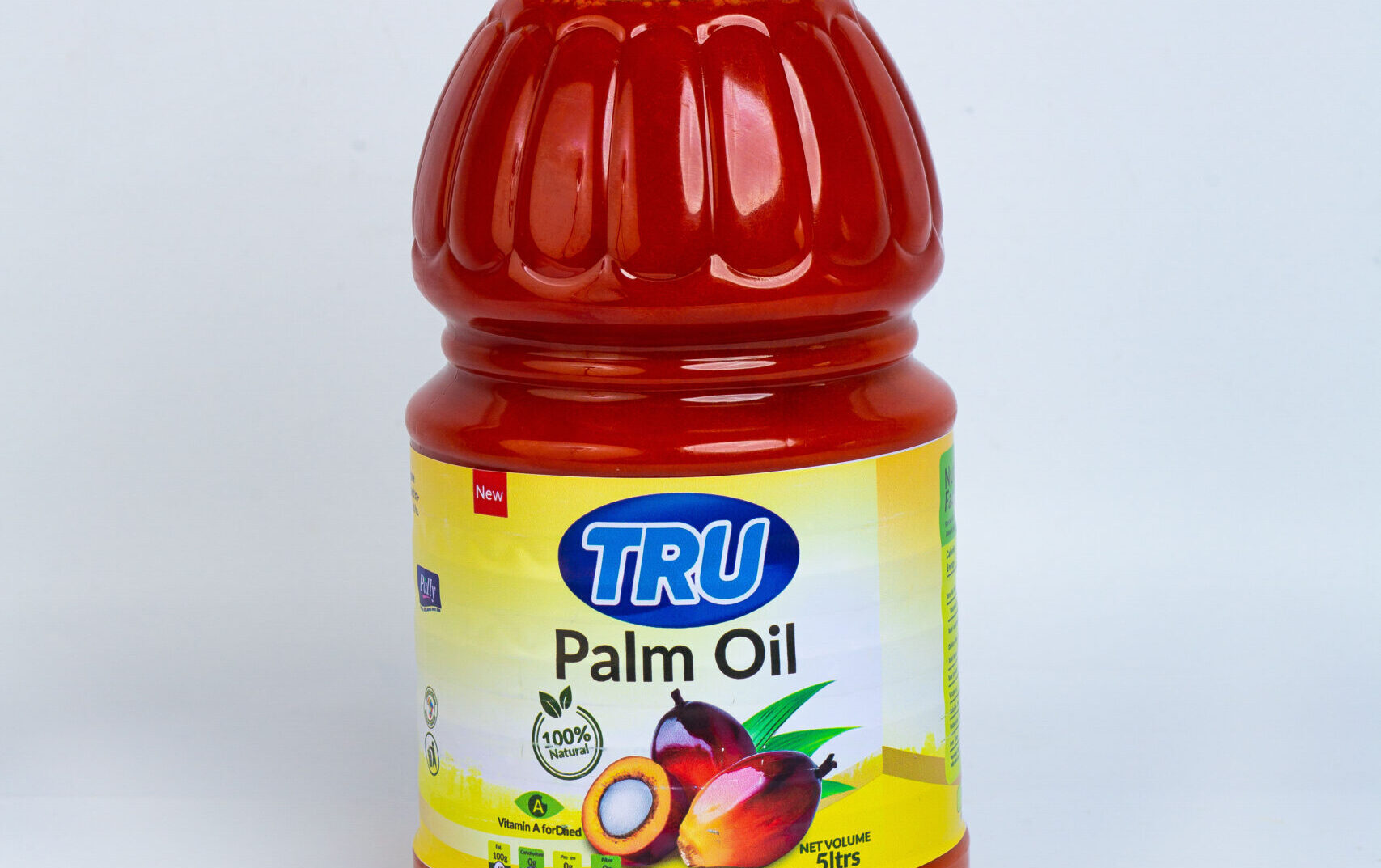
Packaged in a sealed five-litre bottle, TRU Palm Oil comes with a clear product label, a 100% natural claim and a Vitamin A mark. Its packaging gives consumers identifiable product information and a brand they can trace, rather than leaving them to make a decision based solely on the appearance of oil poured into an unmarked container.
For Pally, the idea is straightforward: good food should begin with ingredients people can have confidence in.
In a market where consumers are becoming more conscious of food safety, transparency and product identity matter. A clearly labelled bottle offers a practical starting point for shoppers who want to know more about what they are taking home.
Designed For The Realities Of The Nigerian Kitchen
Beyond the question of quality, convenience also matters.
The five-litre bottle is designed for households that cook regularly and need a practical supply of palm oil for everyday meals.
Whether you are preparing a large pot of stew for the weekend or making soup for the family during the week, the size provides a convenient option without requiring frequent trips back to the market.
The sturdy carry handle also makes transportation and storage easier, taking some of the stress out of moving the product from the shop to the kitchen shelf.
People Also Read: Why Customers Choose Your Competitors Even When Your Product Is Better
It is a simple consideration, but one that makes a difference in busy households.
Keeping The Taste Of Home, With Greater Confidence
Nigerians do not need convincing about the importance of good palm oil. Its distinctive aroma, rich colour and familiar taste have earned it a permanent place in the country’s food culture.
What consumers increasingly need is confidence that the product they are buying is what it claims to be.
Pally’s TRU Palm Oil positions itself around that need, offering a labelled, sealed and convenient option for households that want to make more informed choices about their cooking ingredients.
Because protecting the quality of a meal begins long before the pot goes on the fire.
It begins at the market, with the questions we ask, the products we choose and the confidence we have in what we bring home.
When it comes to feeding the people you love, the colour of your palm oil should never be the only thing you trust.