

In Nigeria’s bustling markets and streets, millions of small traders actively drive the economy.
However, nearly half of informal businesses earn less than ₦20,000 daily, revealing their thin profit margins.
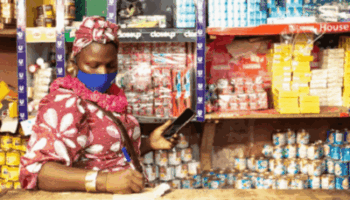
Despite these challenges, entrepreneurs adapt creatively to rising costs and supply chain disruptions.
Informal Businesses Daily Earn
Moreover, micro, small, and medium-sized enterprises contribute 65% of GDP and 80% of jobs.
Although revenue often grows, profits lag, showing the delicate balance businesses maintain daily.
Meanwhile, inflation, supply chain issues, and a weaker naira test entrepreneurs’ ability to survive and innovate.
Over time, businesses that last longer hire staff and expand sustainably.
Read Also: How Stronger African Currencies Are Helping Businesses Cut Costs In 2025
In addition, entrepreneurs use modest loans strategically for equipment, renovations, or opening new locations.
Unlocking Potential
Gender disparities persist, as women-owned businesses earn less than men-owned ones and rely on informal support.
Therefore, improving access to credit and training could unlock untapped potential for women entrepreneurs.
Many business owners skip record keeping, while others rely on mental notes, which limits growth opportunities.
Consequently, adopting better tools and record-keeping practices could improve efficiency and access to finance.
Rising costs threaten livelihoods, yet the informal sector continues to support Nigeria’s economy.
With the right support, entrepreneurs can grow businesses, hire more workers, and strengthen national growth.
Ultimately, informal businesses showcase Nigeria’s ingenuity, resilience, and potential for sustainable long-term impact.